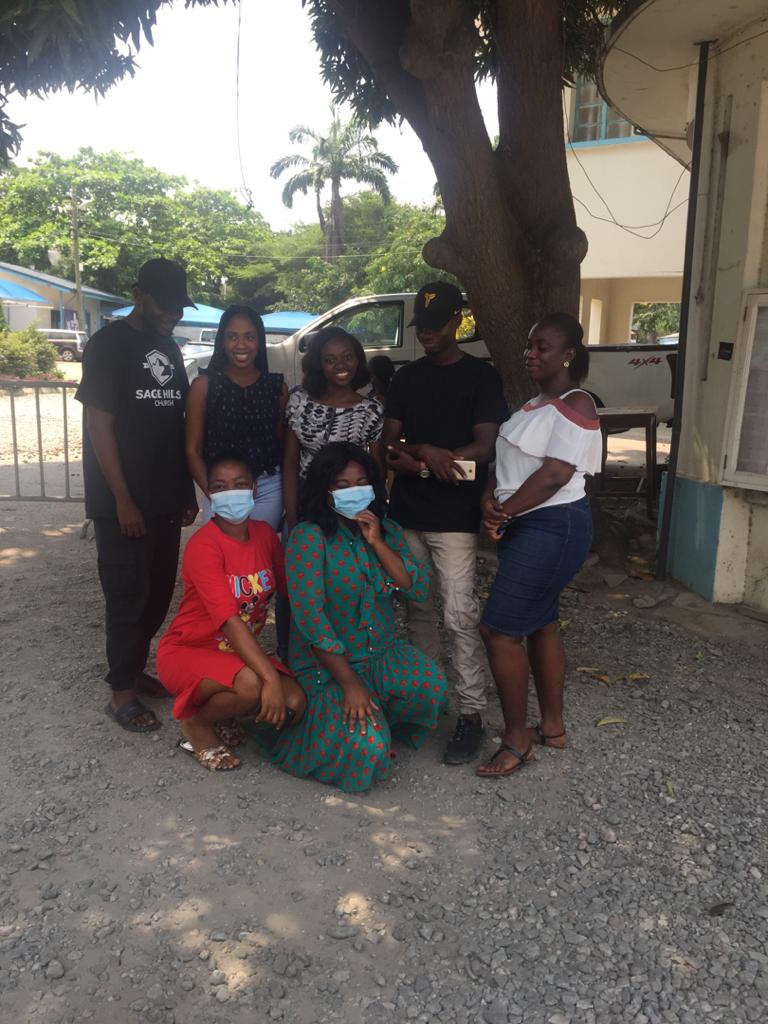
We Care Foundation founded in 2021 in Ghana is an advocate against alcohol consumption. We work to raise awareness on the critical effects of alcohol consumption on the health of the consumer. We also educate persons with addictions and providing therapeutic solutions for them.
•Tag-line: …because life is a terrible thing to waste!
•Vision: To see a world where everyone is living free of alcohol abuse.
•Mission: To protect and reduce alcoholics world wide.
•Foundation Colors: Blue-black and white
•BACKGROUND OF STUDY:
Alcohol is a drug classed as a sedative due to it’s depressant properties. There are various types of alcohol, however, ethyl is the only alcohol used in beverages. Alcohol affect every organ in the body. The effect of alcohol depend on the blood concentration over time. Depending on the fermentation process, the alcohol content in the beverage will differ and range from very low (1%) to very high (80%+). Our area of focus is on alcohol consumption in Ghana amongst students and the problems associated with it.The increased rate of alcohol related health problems is alarming! Alcohol misuse remains one of the topmost significant public health problems irrespective of the active efforts made to solve it. According to the World Health Organization, around 3 million deaths are related to harmful use of alcohol world wide per year. Alcohol consumption is associated with many diseases such as several types of cancers and cardiovascular diseases. In 2016, alcohol misuse was related to some 3 million deaths (5.3% of all deaths) globally and 132.6 million disability-adjusted life years (DALYs), that is, 5.1% of all DALYs in that year. Deaths related to alcohol misuse are higher than those related to other diseases such as tuberculosis, HIV/AIDS, and diabetes. Alcohol reduces concentration. Limbs take more to react to the instructions of the brain. It also blurs vision due to dizziness. All these factors while studying can cause a low output during academic exercises for students because for every increase of 0.05 blood alcohol concentration, the risk of a likely accident/mistake doubles. This affects the skills and concentration necessary for output. Alcohol remains one of the topical substances that are abused by people before they progress to the use of more hazardous substances such as marijuana and cocaine.
•PROBLEM STATEMENT: Today, alcohol is widely consumed to help people relax in social situations. While moderate consumption of alcohol should not be a cause for concern, it is a highly addictive substance that can result in various health complications amongst the active population of which students are a larger faction. Advertising firms are portraying alcohol in positive light to encourage people to purchase and consume more alcohol.Alcohol is a depressant drug that can cause anxiety and increase stress. Alcohol can negatively affect thoughts, feelings and actions, and contribute to the development of, or worsen, existing mental health issues over time. Using counter advertisement, we aim to persuade about 60% of alcohol consumers to reduce their alcohol intake. This will go a long way to enhance students educational success and reduce violence and health related issues amongst students.
•POPULATION SAMPLE:
According to the Ghanaian constitution, the legal age for alcohol consumers is 18+. Hence, our population is, Ghanaian students within the ages of 18-45. Specifically, tertiary students.
OBJECTIVES:
•To generate action in 60% of student alcoholics to reduce half their intake within a month in 6 months.
•To sensitize 80% of student alcohol consumers on the dire effects the substance has on their actions and thoughts.
•To encourage 100% of tertiary students not to drink at all or drink in moderation.
METHODOLOGY:
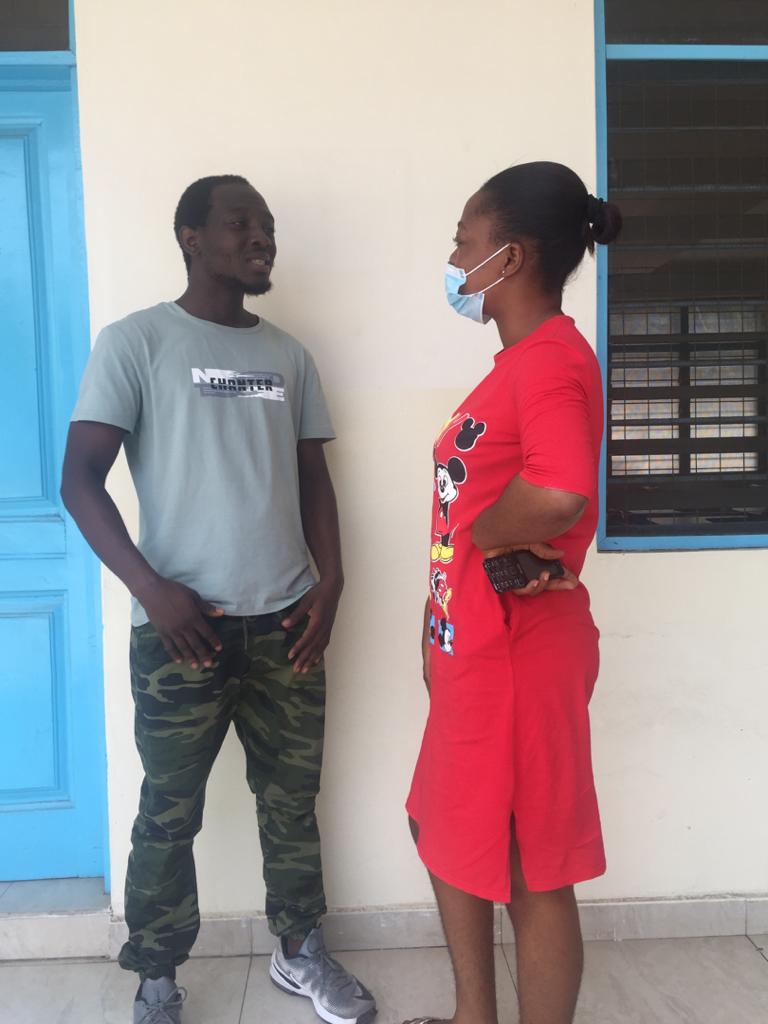
•Pre-production: We visited the Ghana Institute Of Journalism, Osu campus and interviewed twenty-five (25) students about their take on alcohol consumption as students. We sought answers to the questions; Why do they consume alcohol? and What effects of alcohol they are aware of? While on the field, we took pictures with some of the interviewees.
BUDGET:
•PRE-PRODUCTION:
•ITEM DESCRIPTION
•QUANTITY
•TOTAL
•Field trip, transportation and feeding.
30*9:
GH₵ 270.00
•Research Data
1* GH₵ 20.00:
GH₵ 20.00
•PRODUCTON:
•ITEM DESCRIPTION
•QUANTITY
•TOTAL
•Digital Bill Board (6ft*12)
6
GH₵ 350,000.00
•Social Media Promotions
6 months
GH₵ 3000.00
•Video ad cost
1
GH₵ 800.00
•GRAND TOTAL:
GH₵ 354, 090.00
POST PRODUCTION.
•Our Promotional Strategy Will Be Executed Through:
Social media using images, videos and the hashtag #ProtectYourOrgans to promote the campaign. We will also use of other promotional hashtags on social media thus, #drinkcautiously #NonAlcoholicWithPride. This hashtag will be promoted on all social media platforms for six(6) months.
•The placement of advert on LED digital billboards positioned strategically along the major roads in Accra for six(6). We are targeting the 37 military hospital, Danquah circle, Airport Shell, Osu oxford street, Spanner, Spintex road and the James town light house.
•We will also curate creative and informative content on our blogs and online media.
REFERENCES:
•WHO, Global Status Report on Alcohol and Health 2018, World Health Organisation, Geneva, Switzerland, 2018.
•GDHS, Ghana Demographic and Health Survey, Accra: Ghana Statistical Service, Accra, Ghana, 2008.

 wecarefoundation