Venue: Govnor bar, Osu.
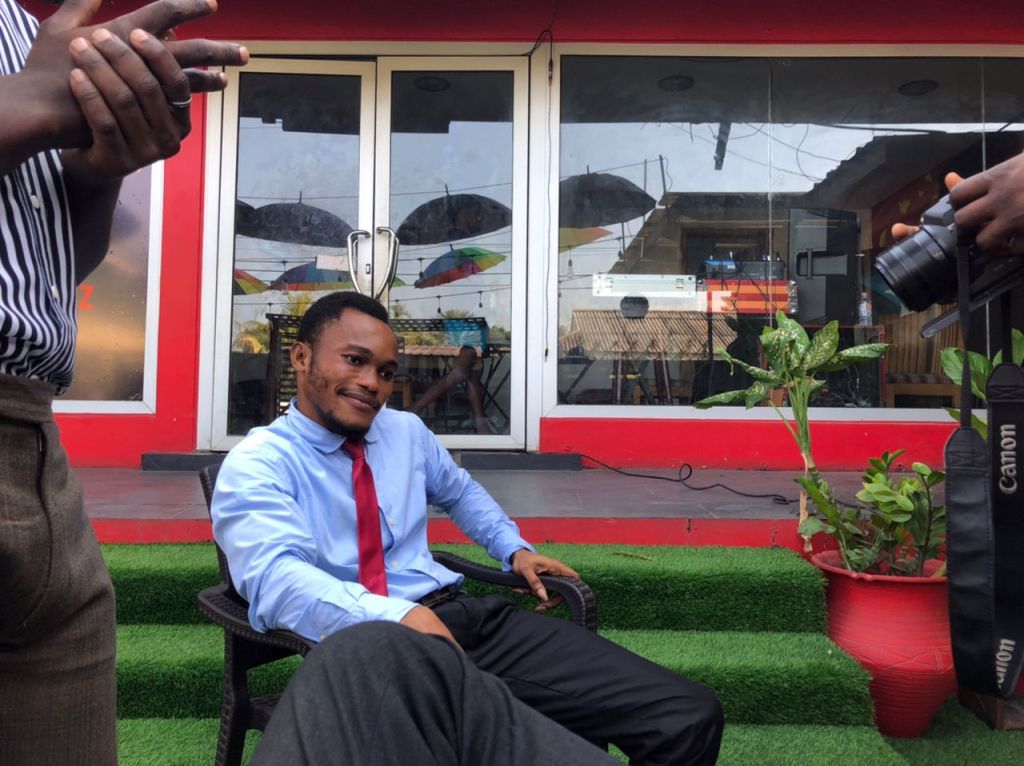
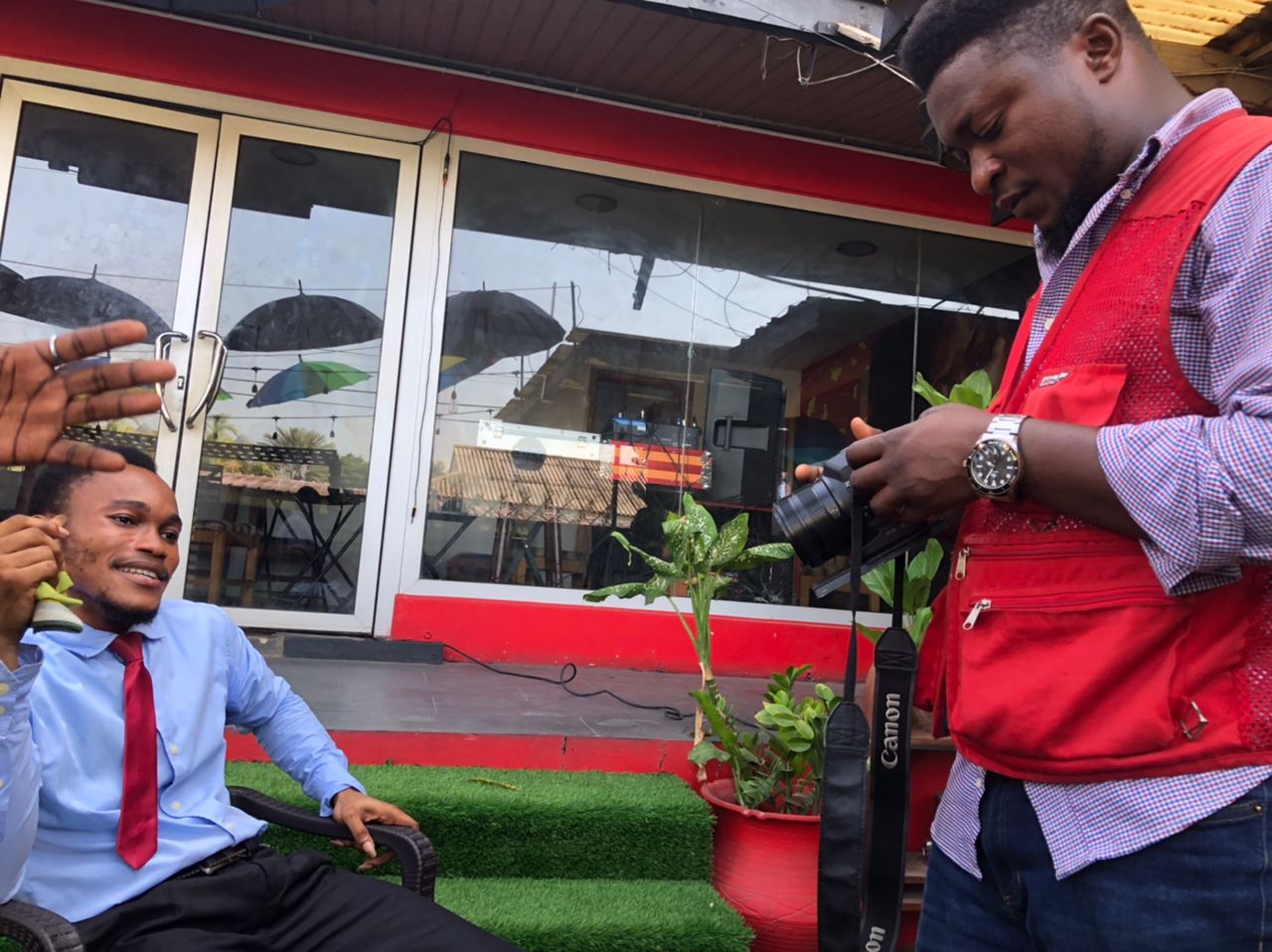
Venue: Govnor bar, Osu.
•About Us It was founded in 2012 in Ghana as an agent for advocate against alcohol consumption. We work to raise awareness on the critical effect of alcohol on the health of consumers. We also help persons with addiction by providing therapeutic solutions for them. •VISION: To see a world where everyone is free from alcohol abuse •MISSION: To Conscientise individuals about alcohol abuse and the consequences it has on their health •COLORS: White and Blue-black •Email: wecarefoundation1000@gmail.com •FACEBOOK: @WeCare foundation Gh •IG: @WeCare_foundation.gh •TWITTER: @we_care foundation •BLOG: @wecarefoundation.car.blog
•Background. Alcohol is a drug classed sedative due to its depressant properties. Ethyl is the only alcohol used in beverages. Alcohol affect all organs in the body (liver, heart, kidney etc). Some health consequences includes, ccancers, liver diseases as well as cardiovascular diseases. Alcohol consumption has been identified as an important risk factor for illness, disability, and mortality (Rehm et al. 2009b). Drinking in moderation may not be problem but it is highly addictive and can lead to various health implications. Alcohol use could conceivably affect a student’s quality of learning and academic performance regardless of its impact on school completion. Renna (2008),
•Problem Statement. Advertising firms and alcohol producing companies aalways portray alcoholic beverages in positive light encouraging people to purchase and consume more. Some advertising firms portray alcoholic products to be of royalty , elegant and luxurious. The ad we seek to counter also portrays a certain type of class (high class, wealthy group of individuals) associated with consuming their whisky Leaving out the dire consequences heavy alcohol intake has on consumer’s health. Our foundation therefore seeks to counter this ad by revealing the negative effect of heavy alcohol consumption to our target audience. This will go a long way to minimize the health effect that may arise as a result of excessive drinking.
•Target Population. The legal age for alcohol consumption is 18+ (1992 constitution). Our target population is Ghanaian student between the ages of 18-45. Specifically tertiary students.
Objectives. •To sensitize 80% of student who consume alcohol on the dire effect of the substance on their health within 6 months •To generate action in 60% of student who drink to reduce half their intake within six months. •. •To encourage 40% of students who drink to stop drinking by the end of the campaign
•Methodology. The qualitative research method was use to gather first hand data through interviews and focus group discussions. The Ghana Institute of Journalism (GIJ), Osu campus was our study population. About twenty five (25) students were engaged in the interviews and focus group discussions; Do you take alcohol? Why do you consume alcohol? What negative effect of alcohol abuse are you aware of? They also shared their personal experiences
•Promotion strategies. To achieve our objectives, we will run a campaign for six months . We will use our various social media platforms that is Facebook, Instagram and twitter to promote our message. The hashtags #protectyourorgans will be used on twitter for the first month And subsequently we will also use these hashtags on social media for remaining months. These include, #drinkcautiously #nonalcoholicwithpride. We will also produce an alcohol counter ad and this ad will be placed on led digital billboards positioned strategically along the major roads in Accra within the six(6) months campaign period The ad will also be on our social media platform to re-echo whatever message we already have. We will also curate creative and informative content on our blogs and online media.
BUDGET:
•PRE-PRODUCTION:
•ITEM DESCRIPTION
•QUANTITY
•TOTAL
•Field trip, transportation and feeding.
30*9:
GH₵ 270.00
•Research Data
1* GH₵ 20.00:
GH₵ 20.00
•PRODUCTON:
•ITEM DESCRIPTION
•QUANTITY
•TOTAL
•Video ad cost
1
GH₵ 800.00
-Post production
•Digital Bill Board (6ft*12)
6
GH₵ 350,000.00
•Social Media Promotions
6 months
GH₵ 3000.00
•GRAND TOTAL:
GH₵ 354, 090.00
VIDEO ADVERT PRODUCTION
Shooting location: GUVNOR Bar& Restaurant
Props: Alcohol, Menu, glasses…
Executive Director: Christopher Kwesi Appiah
Characters: Beatrice, Shady, Adriana, Chris, Salamatu, Anita, Fausty
Editor: Lightroom media
“ …… YOUR KINGDOM SHOULDN’T BE THE GRAVE”
VIDEO
AUDIO
B- roll to introduce the club scene
Background ambience
Beatrice walks in elegantly to exchange pleasantries with Chris
VO: “……Flawless beauty, elegance……”
Shady walks in with a bottle of whisky on a tray
Ice cubes drops in glasses
Background music (instrumentals)
Shady serves Beatrice and Chris and also pours the whisky for extra 4 people in the club
Background music
Beatrice and Chris sips the whisky from a drinking class
Instrumentals / ambience
CUT……..
TRANSITS TO ANIMATION
Introduce animation with negatives of the last scene
Glitch
WHAT YOU DON’T SEE
Show how alcohol destroys vital organs in the body (in Beatrice’s body)
Video ends with
CREATE YOUR OWN KINGDOM but…..
YOUR KINGDOM SHOULDN’T BE THE GRAVE
VO: “Class maybe found in a bottle of……..”
REFERENCES . •WHO, Global Status Report On Alcohol And Health 2018, World Health Organization, Geneva,Switzerland,2018. GDHS, Ghana Demographic And Health Survey, Accra; Ghana Statistical Service, Accra, Ghana,2008. •Renna F. The economic cost of teen drinking: late graduation and lowered earnings. Health Economics. 2007;16(4):407–419. [PubMed] •Rehm J, Parry C. Alcohol consumption and infectious diseases in South Africa. Lancet. 2009;374(9707):2053. [PubMed]
GROUP MEMBERS . 1.Beatrice Ehwieda – BACS21521 2.Shadrack Amoh kojo – BACS21476. 3. Salamatu Nassam – BACS21548 4. Ashun Anita – BACS21489 5. Tingbani Amanda – BACS21662 6. Christopher K Appiah -BACS21688 7. Faustina Tawiah -BACS21705 8. Adriana Brenda Adom – BACS21457 9. Belinda Dzotepeh – BACS21520

Alcohol abuse has become increasingly prevalent among young people. Therefore, it is essential that they become aware of the potential dangers of alcohol abuse at an early age.
In fact, research has shown that the younger students are when they begin learning about alcohol abuse, the greater their likelihood of staying away from it (Make a Difference: Talk to Your Child about Alcohol. Rockville, MD: National Institute on Alcohol Abuse and Alcoholism, 2000).
Heavy drinking is defined by the Substance Abuse and Mental Health Services Administration as “5 or more alcoholic drinks on the same occasion on at least 1 day in the last 30 days.” Often times heavy drinking can become an addiction. For those that drink heavily, it is important to know the effects of alcohol on the body.
Typically, alcohol is a waste product that the body tries to excrete. Even a tiny bit of alcohol has an affect on the body’s systems. If you drink more than the body is able to process, you begin to feel intoxicated as the alcohol level builds up in the bloodstream and is distributed throughout the body. This distribution can affect the body’s nerve endings and slow down brain function. This causes feelings of excitement, numbness or inhibition
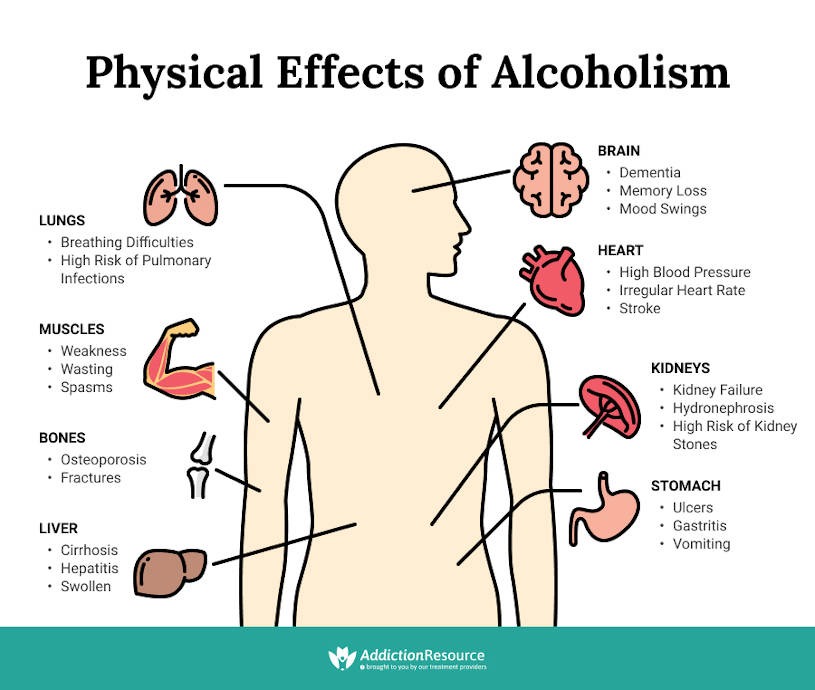
What can too much alcohol do to the body?
Immune System – this is what fights off germs, viruses and other illness in your body. Alcohol slows the immune system, making bacteria-fighting white blood cells sluggish and much less efficient.
Heavy drinkers may be more likely to succumb to illnesses such as tuberculosis or pneumonia, and increased risk of numerous forms of cancer.
Skeletal System – Alcohol abuse inhibits new bone production, putting one at risk of osteoporosis and bone fractures.
It also makes muscles more likely to weaken, cramp or atrophy.
Reproductive System – One common side effect of alcohol abuse in men is erectile dysfunction. Hormone production also may be inhibited causing infertility.
In women, alcohol may cause a ceasing of menstruation and infertility. It also heightens the risk of breast cancer.
Circulatory System – Just one occasion of heavy drinking may cause trouble for your heart, therefore a heavy drinker is much more likely to have heart problems than a non-drinker.
The risk is even higher for females. Heart problems may include poisoning of the heart muscle cells, an irregular heartbeat, high blood pressure, stroke or heart attack.
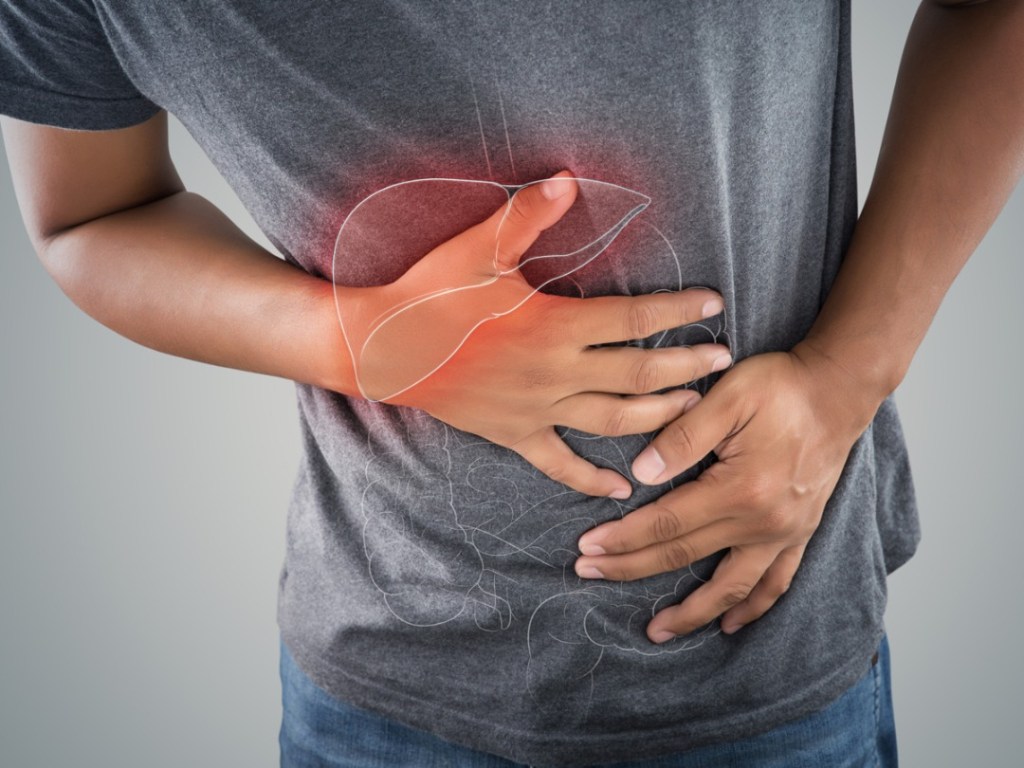
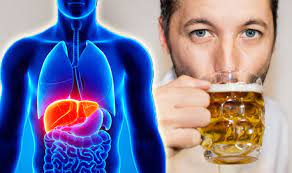
Digestive System – This is where serious damage can quickly occur. Alcohol makes it difficult for our intestines to control bacteria and absorb nutrients that can lead to malnutrition. Alcohol is also known to cause:However, too much alcohol in a short period of time can overwhelm the metabolism process and lead to fatty liver. Fatty liver is a chronic condition that involves the buildup of bad fats in the liver. Obesity is one of the biggest factors of fatty liver. It can also cause liver failure and type 2 diabetes.
What’s The Way Forward?
The effects of alcohol on your health will depend on how much you drink. The more you drink, the greater the health risks. Most people who have alcohol-related health problems aren’t alcoholics. They’re simply people who have regularly drunk more than the recommended levels for some years.
Reducing your alcohol intake is important to help lower your blood pressure and protect your kidneys. Regularly drinking above recommended levels can cause serious health problems such as:
high blood pressure
heart attacks
increased risk of various cancers
liver problems
reduced fertility.
In the short, cutting down on alcohol has all kinds of benefits like lower blood sugar, weight loss and fewer associated negative consequences like a headache or heartburn. One study has shown other benefits including lower blood pressure and reduced cholesterol.
People who are dependent on alcohol, or have other medical or mental health problems, should stop drinking completely.
But many people may benefit simply by cutting back. If your doctor suggests that you curb your drinking, the National Institute on Alcohol Abuse and Alcoholism (NIAAA) suggests that the following steps may be helpful:
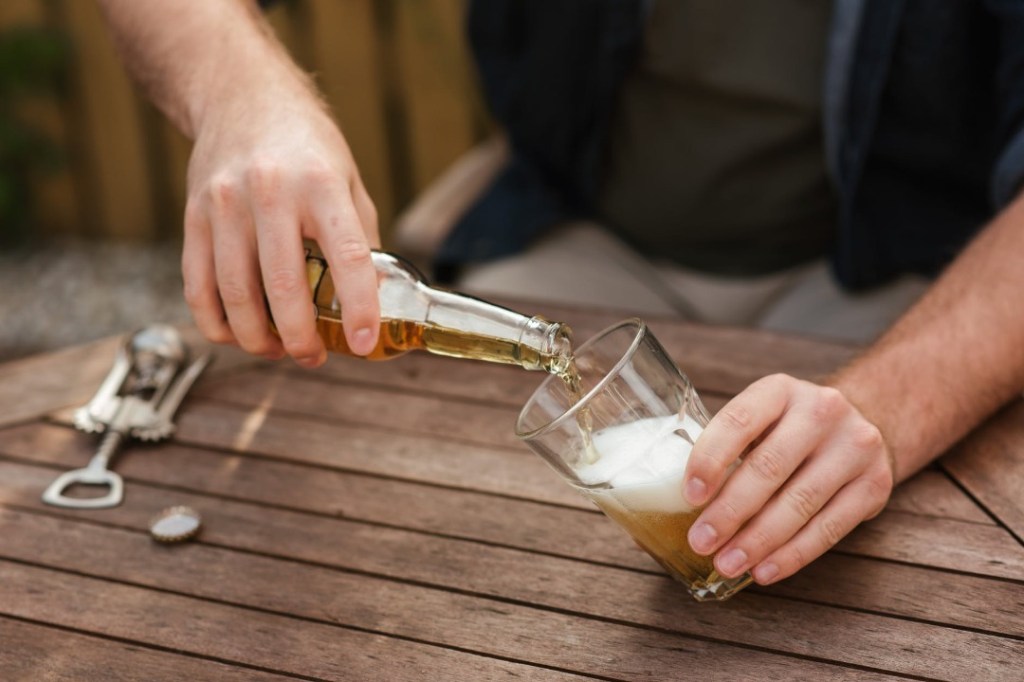
Put it in writing: Making a list of the reasons to curtail your drinking such as feeling healthier, sleeping better, or improving your relationships can motivate you.
Set a drinking goal: Set a limit on how much you will drink. You should keep your drinking below the recommended guidelines: no more than one standard drink per day for women and for men ages 65 and older, and no more than two standard drinks per day for men under 65. These limits may be too high for people who have certain medical conditions or for some older adults. Your doctor can help you determine what’s right for you.
Choose alcohol-free day:. Decide not to drink a day or two each week. You may want to abstain for a week or a month to see how you feel physically and emotionally without alcohol in your life. Taking a break from alcohol can be a good way to start drinking less.
Watch for peer pressure: Practice ways to say no politely. You do not have to drink just because others are, and you shouldn’t feel obligated to accept every drink you’re offered. Stay away from people who encourage you to drink.
Ask for support: Cutting down on your drinking may not always be easy. Let friends and family members know that you need their support. Your doctor, counselor, or therapist may also be able to offer help.
Guard against temptation:. Steer clear of people and places that make you want to drink. If you associate drinking with certain events, such as holidays or vacations, develop a plan for managing them in advance. Monitor your feelings. When you’re worried, lonely, or angry, you may be tempted to reach for a drink. Try to cultivate new, healthy ways to cope with stress.
What If You Can’t Cut Down?
If you find that you cannot cut down, you may have already developed an alcohol use disorder.You may need to try to quit drinking altogether or seek help to quit. You are what you consume!
Christopher Kwesi Appiah
BACS21688
REFERENCES:
Rockville, MD: National Institute on Alcohol Abuse and Alcoholism, 2000.
https://www.eurekalert.org/pub_releases/2018-08/ucl-sa082418.php

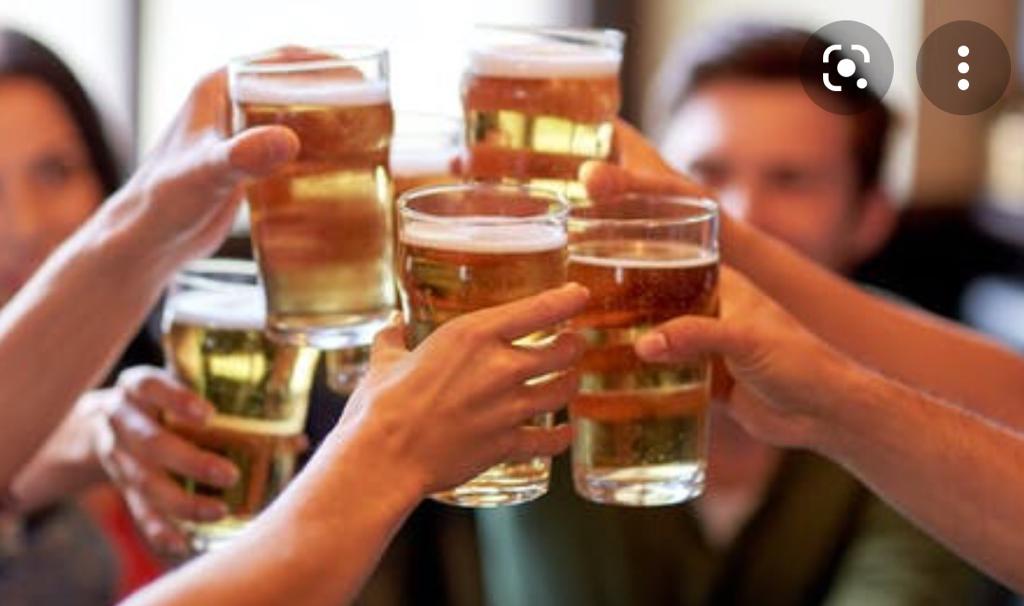
Alcohol consumption has become one rampant thing among the youth today. The Ghanaian alcohol industry has found a way to make it a very lucrative venture. It is evident in the number of new alcoholic beverages that are being introduced into the system all year round. Most alcoholic beverage have become very accessible and cheap which makes it easier to buy and consume.
The media we have today, also portray these beverages as refined and exquisite thus the need to purchase them forgoing the negative health implications it could have on you. This is making the youth irresponsible thereby putting themselves at risk as well as those around them.
Counter advertising has been a means individuals use to reveal and show the real implications of consuming certain products. The main aim of our advocacy organization is to reveal the negative impact of alcohol to human health in other for them to minimize their intake or stop drinking alcohol.
The health issues associated with alcohol consumption include,diabetes , cancer , liver cirrhosis and cardiovascular diseases among others.
An interview with some youth on why they drink indicated, it was as a result of peer pressure and also the feeling of being on top of the world which is only fleeting. When asked about the dangers they said, they where not habitual drinkers hence they are not prone to the dangers. This notion is very wrong,According to the World Health Organization, around 3 million deaths are related to harmful use of alcohol world wide per year

dangers they said, they where not habitual drinkers hence they are not prone to the dangers. This notion is very wrong,According to the World Health Organization, around 3 million deaths are related to harmful use of alcohol world wide per year.
People drink to feel more at ease, but this feeling is only temporary . The ‘relaxed’ feeling that someone may claim to have after having a drink is caused by the chemical changes that alcohol causes in the brain. However, these effects are short-lived as it only happens in the moment one consumes the alcohol.
Many are those who think drinking in smaller quantities may not affect their health,but the accumulation of the small percentage over time is what lead to the various health problems that we have today.

It is imperative for the youth to become aware of the harm they are causing to themselves and that of the people around them. Awakening their consciousness is a step to saving them and their families, as this will be achieved in our counter advert on alcohol consumption.
Amanda Tingbani-BACS21662

Alcohol counter adverts are the advertising messages that counter preceding messages or adverts about alcoholic beverages or products. Research indicates that, “alcohol advertising and marketing have a significant effect on the youth and the elderly by influencing their expectations and attitudes, encouraging them to drink more. Alcohol adverts has also helped to create an environment that promotes underage drinking”. Alcohol counter advertisement helps to balance these effects alcohol advertising has on consumers by exposing the health risks associated with excessive drinking.

Aside exposing the health consequences associated with drinking, they also reveal the social and economic risk related with too much drinking. Since the aim of every alcohol producing company is to maximize profit, they conceal the negative effects associated with drinking these alcoholic beverages, alcohol counter advertising comes in to reveal these information that poses a threat to the human system in order to help consumers balance the frequent consumption of alcohol and educate them on the need to if possible stop drinking.
According to the World Health Organization, around three million deaths are related to harmful use of alcohol worldwide per year. Statistics has also shown that, the prevalence of alcohol consumption in Ghana is estimated to be 26.8% and in 2019, it was estimated that, out of the 85,688 liver diseases deaths among individuals within the ages of 12 and older, 43.1% involved alcohol.
Members of we care foundation conducted their research and it was revealed that, Alcohol can Damage the liver. It is the function of the liver among other things to flush out toxins in your system which include alcohol and heavy consumption of alcohol affect this function. We again discovered that, heavy intake of alcohol results in Brain and Nervous systems problems. Alcohol affects the brain’s communication pathways making it very difficult to think and speak clearly. It also affects one’s ability to recall information and make decisions. It also affects body movements. Excessive consumption of alcohol can also cause mental issues like depression and dementia. These consequences will affect our target population which is university student, because student needs to focus on their academics and excessive drinking can disrupt this process.
In an attempt to conscientize our target population on the need to reduce heavy alcohol intake, our objective was to sensitize 80% of student alcohol consumers on the dire effects excessive drinking has on their health. To achieve this, we care foundation will release a counter ad, that speaks to the health effects alcohol abuse has on their organs. We believe this way, we can persuade most of them to drink responsibly since alcohol abuse is injurious to their health as young people.
Again, images about destroyed organs in the human body will be placed on social media with emotional appeal messages to boost our content. The counter ad videos will also be on social media with the hashtag protect your organs to further promote the social media campaign.
Beatrice Ehwieda
BACS21521
.
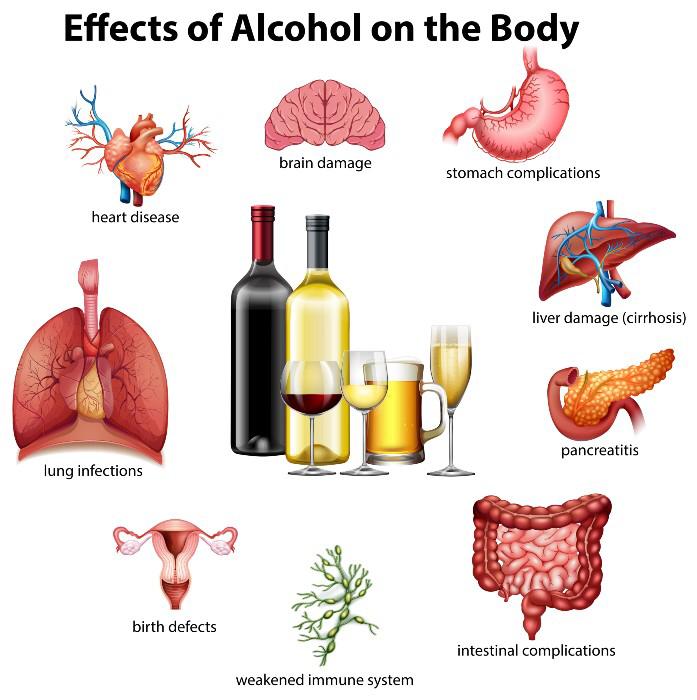

Alcohol is classed as a sedative hypnotic drug which acts to depress the central nervous system at high doses and act as a stimulant at lower doses. Drinking too much alcohol at one session can lead to drowsiness, shallow and slow breathing which can lead to a coma or even death.
Long term health risks involved in excessive alcohol drinking are high blood pressure, heart diseases, strokes, liver diseases and a weakening of the immune system.
In many countries, the harmful use of alcohol is seen as a hindrance to the sustainable social and economic development. Ghana launched a National Alcohol policy in 2017 after many years of working with Key stakeholders to combine the laws that exist on the production, distribution, sale, advertisement and consumption of alcohol.
The policy is aimed at encouraging abstinence, reduce harmful alcohol consumption, follow global best practice and inspire government to lead in ensuring the total compliance of the new policy. It’s also aimed at minimizing the negative effects of alcohol consumption on the individual, family and society as a whole.
Excessive alcohol consumption has immediate effects such as alcohol poisoning which results in liver and renal (kidney) failure as well as diabetes. Alcohol consumption sometimes makes its consumers rowdy and engages in violent acts such as fights and even risky sexual behaviors such as having unprotected sex with multiple partners.
The We Care foundation has adopted counter advertising to educate students on the effects of alcohol on students. Counter advertising is usually done to counter an already existing advert which has opposing views. Our advert seeks to talk about the effects of drinking. We also hope to sensitize, educate and generate response in about 80% of our target audience.
The foundation uses the tagline”…because life is a terrible thing to waste” to inculcate a sense of wellbeing into students. Our vision as a foundation talks about seeing a world where alcohol consumption especially amongst students is drastically eradicated from our world.
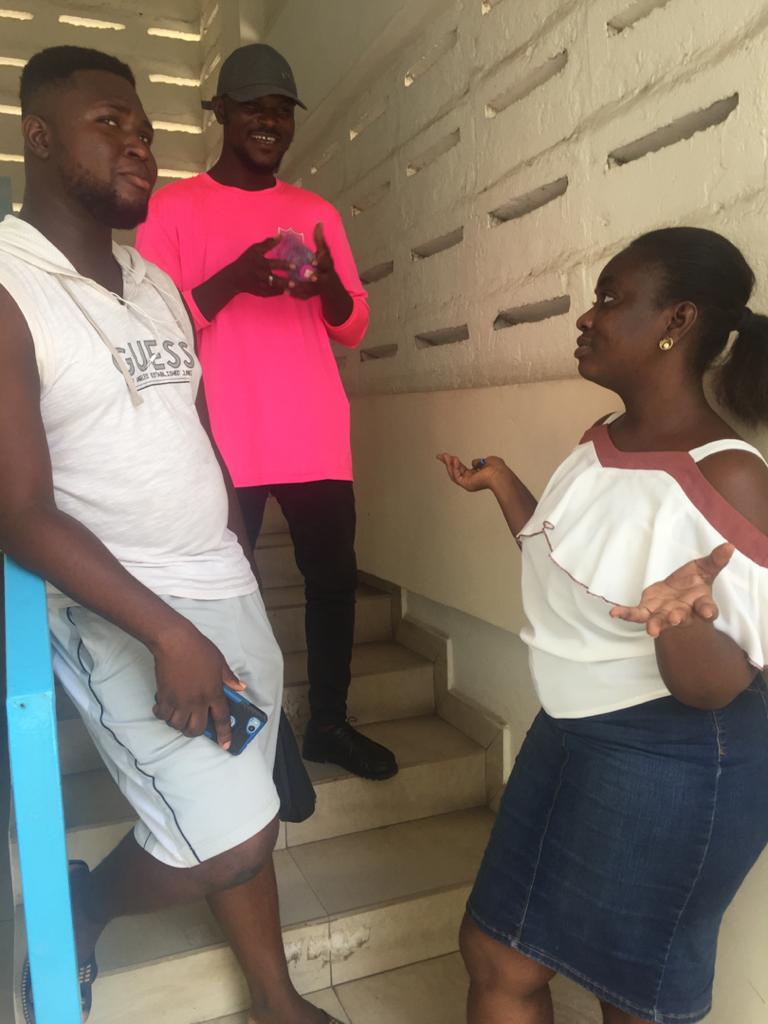
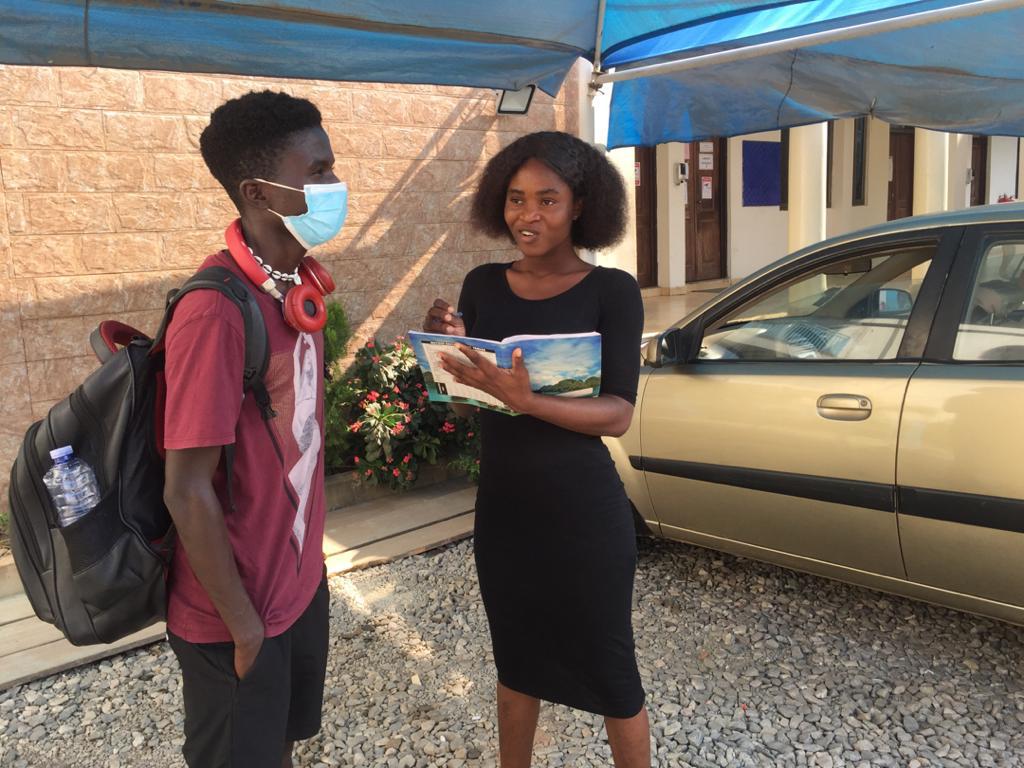
In regards to our foundation, we spoke to some students to educate them about alcohol consumption and its effects on their lives as students.
Our main focus as a foundation is to educate students on the learning and memory problems including dementia and poor school performance that comes with excessive alcohol consumption.
Our counter advert is aimed at showing the negative side of alcohol on the body which we do not see. Studies have shown that there is a correlation between the influence of televised portrayals of drinking on young people and on the youth drinking alcohol. We plan on showing how alcoholic beverages adverts portray alcohol as a great product to take people out of their misery but rather it’s systematically destroying their central nervous systems. We also plan to show how many adverts portray alcoholic product like expensive bottles of whiskey as a luxurious and ostentatious good but it rather has dire consequences and effects on the body.
Our counter advert is on an a Whiskey called Royal Salute whiskey with the tagline “Create your own kingdom.” As a counter advert we came up with another slogan “Create your own Kingdom; Your Kingdom shouldn’t be the grave” to sensitize our audience.
Our advert shows what goes on within the body when alcohol is excessively consumed. We show a well dressed male and female who are drinking alcohol but are unaware of the damage the alcohol is doing in their nervous system.
BACS21457
Adriana Brenda Adom.

Ghanaians enjoy drinking as it depicts merry making, togetherness, friendship and so on. You will often see friends hangout after work chilling with alcoholic drinks, families weekend gatherings, individual taking meals with alcohol to boost their taste etc. In fact, alcohol is a widely used social drug for entertainment among 90% of Ghanaian youth. Like all drugs as marijuana , weed, tramadol and others, alcohol can damage the body, especially when consumed highly on daily bases. The effect of alcohol may be short term or long term but either ways, there is an effect which isnt good for the human body. Even small amounts of alcohol is still linked to the development of certain diseases, including numerous cancers, liver disease which over time significantly affect the physical and mental health and quality of life of an individual. How much harm alcohol causes your body depends on how much you drink, your duration of drinking, and even the quality of the alcohol you drink. Your body size and composition, age, drinking experience, genetics, nutritional status, metabolism, and social factors all play a part as well.
As part of the advertising and society course for the level 400 students of GIJ, my group and i “We care foundation” are working on educating and sentitizing GIJ student on the health effect of alcohol intake. We counter an ad on the Royal Salute Whisky brand of alcohol where they portrayed alcohol intake with elegance and royalty with their tagline “Create your kingdom “Our counter advert will emphasize on what advertisers and manufacturers of the Royal salute Whisky brand don’t make us see when it comes to alcohol intake hence the theme “Create your kingdom, Your Kingdom shouldn’t be the Grave” where we will portray damaged organs of the body while a character consumed a glass of alcohol. The effect of alcohol on the body may seem long term in many cases but as the saying goes “Little drop of water makes an ocean” therefore we want our target to be informed, reminded, educated that since “Rome isn’t built in a day” damaging their health is also a gradual process. It is better to build your kingdom on strength.
Individuals espercially youth experience personal and psychosocial issues such as depression and other psychological diseases which lead to excessive drinking of alcohol. They see this habit as a “A sip for Grieve ” rather “A Sip to Grave
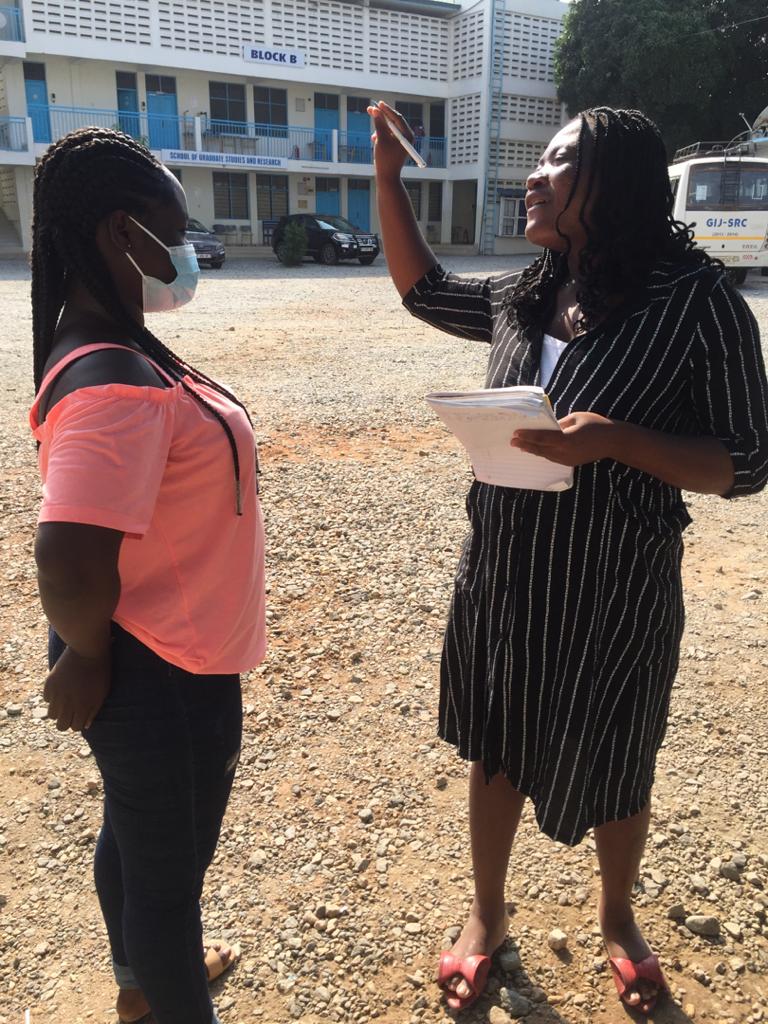
In an interview with Aba a level 100 journalism student of GIJ, alcohol consumption caused the death of her 35 years old uncle who died as a result of liver problem due to excessive intake of alcohol. According to her, the deceased uncle due to depression had to find comfort in drinking to whale away his worries little did they know the sip for grief was a sip for grave.
The alcoholic liver disease covers a spectrum of disorders beginning from the fatty liver, progressing over time to alcoholic hepatitis and upgrades in alcoholic cirrhosis, which is the most advanced and irreversible form of liver injury related to the consumption of alcohol. Alcohol consumption causes death and disability among the youth between the age group of 20–39 years approximately 13.5 % of the total deaths are attributed to alcohol. More than 200 diseases and injuries, some cancers, cardiovascular diseases, as well as injuries resulting from violence and road clashes and accidents are all as a result of Alcohol.
As said by David Cook ” Alcoholism is a well documented pathological reaction to unresolved grief”. Your sip for Grieve shouldn’t be a sip to Grave.
BACS21520
BELINDA DZOTEPEH.
BACS21520
BELINDA DZOTEPEH.
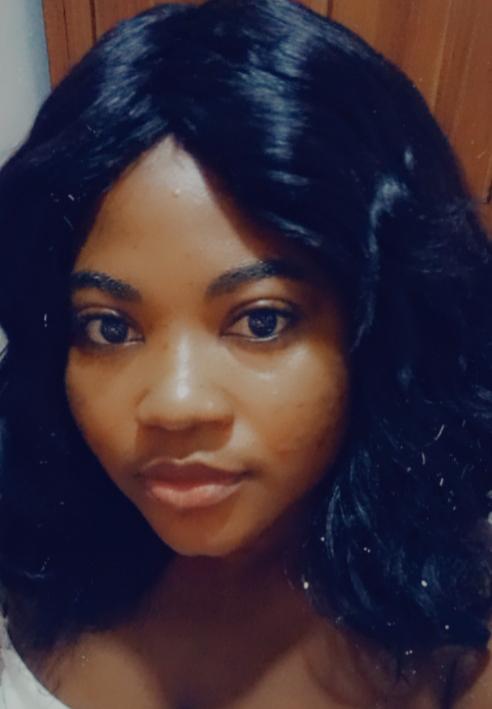
Alcohol is a psychoactive drug that has been consumed in drinks for most of human history. It may be referred to as a depressant that slow down vital functions, resulting in slurred speech, unsteady movements and others. In Ghana, most tertiary students have either tasted alcohol or resorted to it during parties, events or varied forms of gatherings in times of jubilation. According to studies, one in four individuals between the ages of 17 to 30 drink alcohol on monthly basis. Several studies have revealed that alcohol use during adolescence affects educational attainment by decreasing the number of years of schooling and likelihood of completing school. Some effects of alcohol consumption on tertiary students include blackouts, hangovers, and alcohol poisoning which leads to an elevated risk of neurodegeneration (particularly in regions of the brain responsible for learning and memory), impairments in functional brain activity, and neurocognitive defects (zeigler et al, 2004).
Negative effects of alcohol use can emerge in areas such as planning and executive functioning, memory spatial operations and attention (Brown et al 2000, Giancola & Mezzich,2000; Tapert & Brown 1999). Alcohol use could also affect performance by reducing the number of hours committed to studying, completing assignments and attending lectures
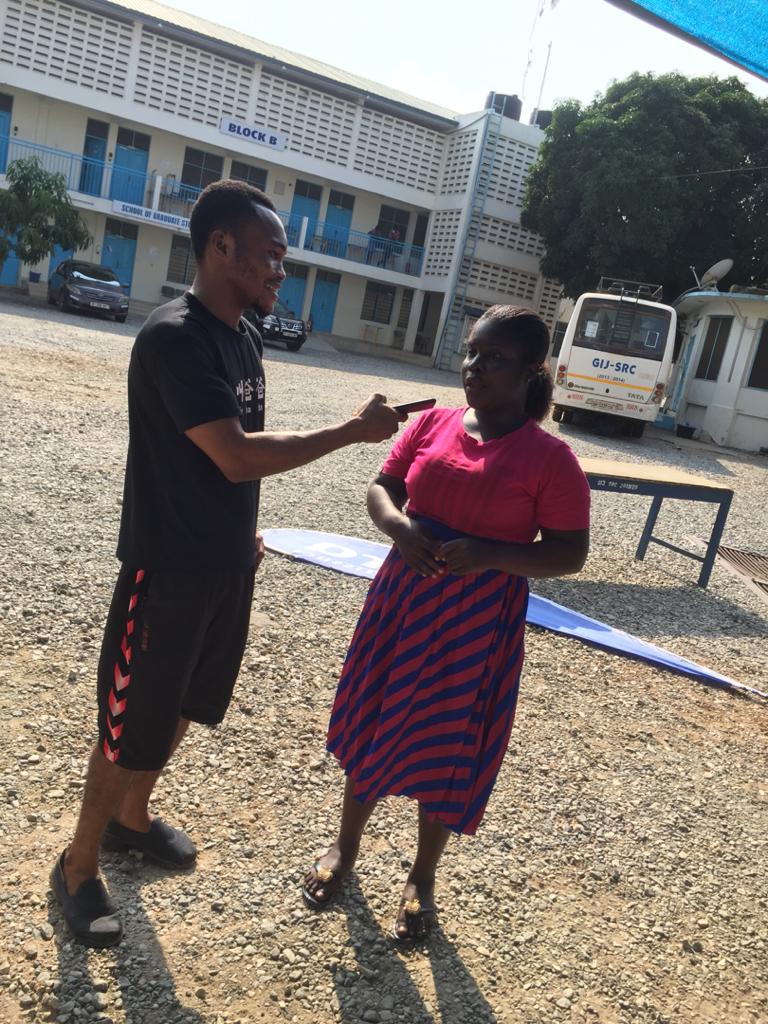
Speaking to some students of the Ghana Institute of Journalism, they emphasize on some irresponsible acts of students when drunk and the need to curb them. In attempts to address their concerns and also reduce the effects of alcohol on these tertiary students, WeCare Foundation adopted to the use of counter advertising in order to curb the effects alcohol has on tertiary students. The sole aim of this counter advertising is to highlight on some health effects of alcohol on individuals. With focus on whisky, WeCare foundation aimed to let consumers of whisky know that though the chosen advert being countered portrays elegance, there are some hidden effects this whisky company refuses to let consumers know. As such, the foundation countered on the tagline of the whisky company. Where WeCare foundation says, “your kingdom shouldn’t be the grave” as opposed to the whisky company saying “create your own kingdom”. In so doing the wrongful praise given to alcoholic drinks shall be unmasked and individuals and students at large shall put a stop to alcohol consumption by focusing on the health effects of alcohol consumed.
In conclusion, alcohol use, even in moderate doses leads to decrease in academic performance. The absence of any difference in academic performance among non-alcoholic and alcoholic users still stand significant. This is because there is a time factor for alcohol effects to be manifested. In general, one stands a chance of ruining his or her life due to alcohol consumption either through health related problems such use heart diseases, liver diseases, kidney failures and others.
AMOH SHADRACK KOJO
BACS21476

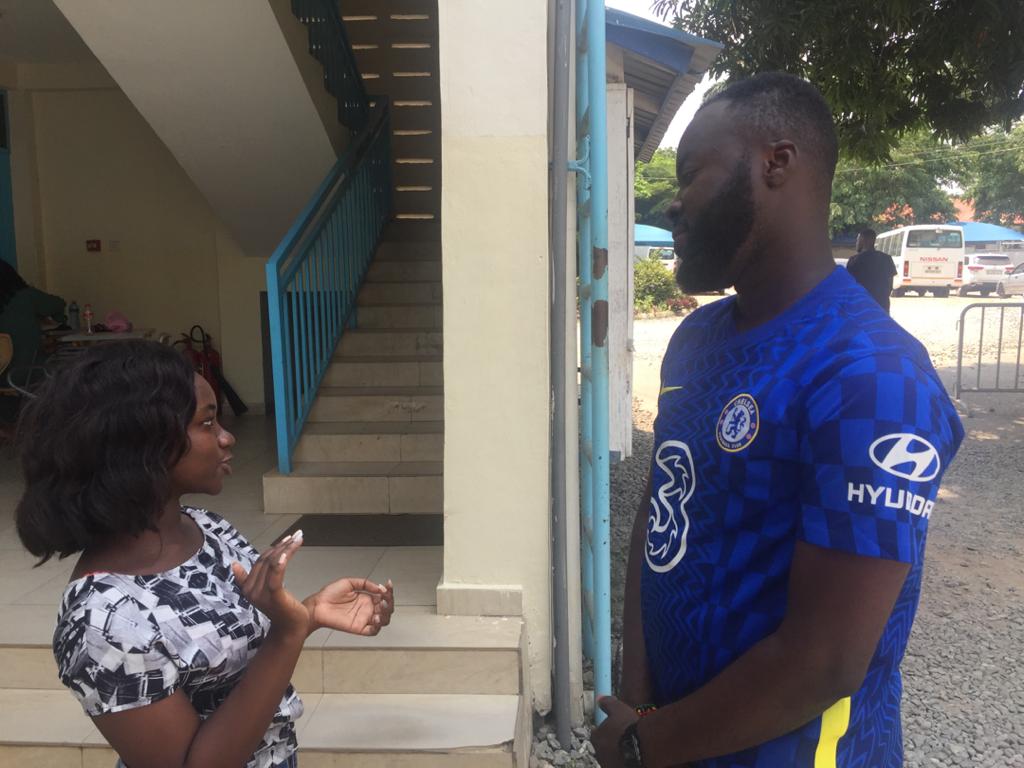
Did you know that the excessive intake of alcohol kills? According to the World Health Organization, Alcohol consumption contributes to 3 million deaths each year globally as well as to the disabilities and poor health of millions of people. In Ghana, the legal age of alcohol intake is 18 years and above meaning workers, parents, students etc. all fall into these categories. Alcohol is depressant drug. This means it affect the central nervous system, slowing down the messages between the brain and the body. A small amount can affect important functions like speech and movement.
Research performed by Carol Galbiscek on college alcholism shows that roughly 80 percent of students-four out of every five consume alcohol to some degree. Students take in alcohol for so many reasons known to them. Some of which are to alleviate their negative feelings or stressful period in their life. However, drinking of alcohol ceases temporarily stress of anxiety. It doesn’t work permanent. In an interview with some students at Ghana Institute of Journalism, on why they take in alcohol and their experience on the intake of alcohol, they mentioned that they drink to fit in with friends and also to have fun saying it has become a norm to take in alcohol as part of everyday life. However, they mentioned some health issues they face such as headache, heart pains and weakened immune system. They also stated that they are not able to concentrate in studying.
The excessive intake of alcohol causes damage to the vital organs of the human body. Alcohol abuse weakens and thins the heart muscle affecting its ability to pump blood. This can lead to heart failure and other life – threatening health problems. The abuse of alcohol causes strain on and sometimes hardening of the liver. These organs and other organs such as brain, pancreas etc. are vital for life therefore damage done to any of them can result in death.
Alcohol advertising is a factor that contributes to alcohol abuse. Some advertisements portray alcohol consumption as attractive, acceptable and rewarding. Some implied benefits promoted in alcohol ads are refreshment, relaxation, social approval, romance and elegance. Thus, people tend to purchase more alcohol products forgetting the side effect it has on one’s health. But with the help of counter advertising, alcohol consumers are able to know the effects that alcohol may have on them. This links up to what our advocacy agency worked on in countering an ad on “Royal Salute Whiskey”. In their ad, they portrayed their product to be of royalty and elegance with the tag line “Create Your Own Kingdom”. Their ad being all plush and captivating leaves out the dire consequences of their product with death being the end result. Our advocacy group countered the ad with “Your Kingdom Should Not Be the Grave” to educate target audience on what the ad of the product is not showing.
It is important for alcohol consumers to think of the health complications of alcohol intake before making a decision on the amount to take. As students, we should make our health and future our priority.
Tawiah Faustina
BACS21705

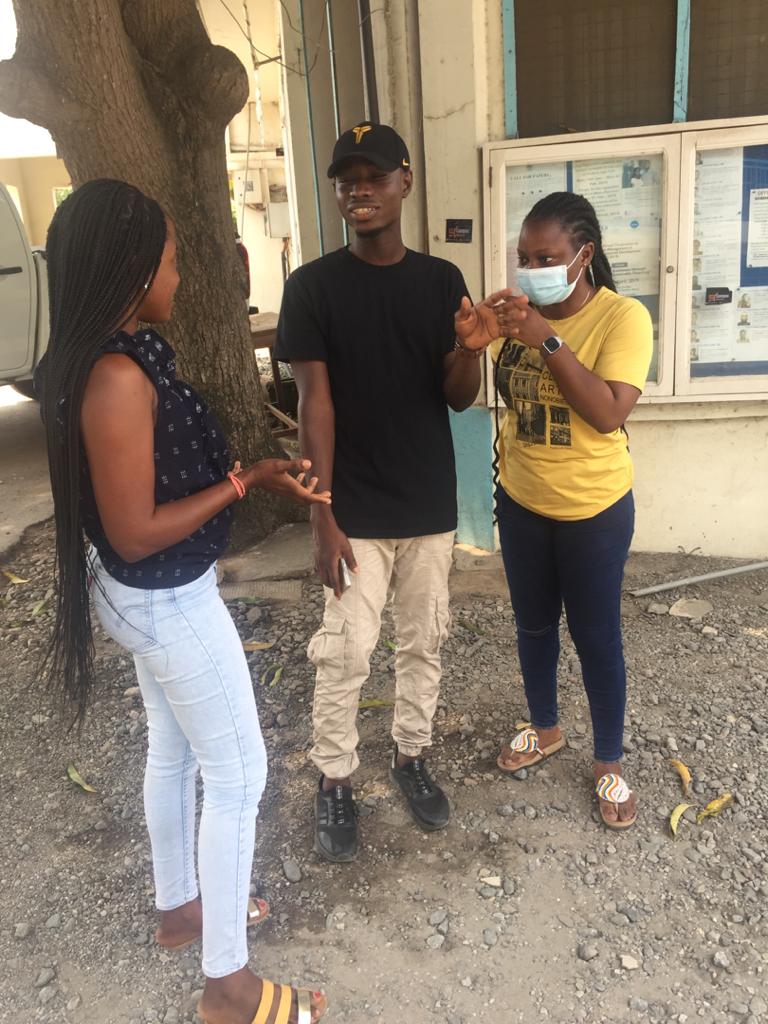
“First you take a drink, then the drink takes a drink, then the drink takes you.” A quote by F. Scott Fitzgerald. The root history of alcohol and its preparation varies; the earliest trace of alcohol was found in China, here the real story of its origin is said to be far from complex. Through the fermentation of fruits and flowers the Chinese made the alcohol. Additionally, alcohol in Britain and America came in around the 16th and 17th century and by the 1930s respectively. Then people consumed alcohol at family meals, weddings, festivals and holidays which is not any different from now, however, due to high rates of abuse, officials started restricting alcohol consumption due to its accompanied effects. Even in Massachusetts in the year 1654 reasserted laws against brewing as alcohol often triggers crimes, including rape, health complications and many others.
Tracing years back, the effects of alcohol intake to the body: physically and psychologically have been interestingly evident, how much more in our current dispensation? Where knowledge and access to information abounds, these and more are what some manufacturers and advertisers in this industry are not telling their most loyal customers, sad but true!
We care organization is an advertising agency, as an organization we fall on counter ads to raise again or increase awareness on controversial issues in our society. (counter ads are advertisements which responds to another advertisements, takes the opposing position and generally made out of controversial topics like, smoking, alcohol, sugar intake etc.)
Our current project seeks to identify ads on alcohol and counter that ad, this is to help in our small way to hammer again the health complication of alcohol intake hopefully to also help reduce alcohol intake and to sensitize alcohol consumers about the dangers they are exposing themselves to. Our Agency looked at an ad on Royal Salute whisky, in the ad they associated their product to Royalty, elegance and affluence where featuring characters were dressed as such too, obviously seeks to reinforce their message; with the tagline “ Create your own Kingdom” we countered this with “Your kingdom shouldn’t be the Grave” This is where our ad comes in to counter thus open the eyes of target audience about “what they do not see”, what the manufacturer is keeping mute about and what the advertiser is wrongly glorifying; as counter advertisers our mission is exposing health complications of taking in alcohol so our ad exposes the havoc caused by the alcohol they are taking some of these effects include: Liver damage whose job is it is to break down harmful substances in the body, this can lead to hepatitis, jaundice and cirrhosis, which is the build of scar tissue that eventually destroys the organ; Alcohol can also cause kidney, bladder and prostate inflammation, a lot more.
“Life is important. There’s nothing to hold onto. A man that drinks is throwing his life away. Do not do it, hold on to life, there is nothing else to hold on to …” – Rob Lowe
Ashun Anita
[Bacs21489]


 wecarefoundation