
Alcohol abuse has become increasingly prevalent among young people. Therefore, it is essential that they become aware of the potential dangers of alcohol abuse at an early age.
In fact, research has shown that the younger students are when they begin learning about alcohol abuse, the greater their likelihood of staying away from it (Make a Difference: Talk to Your Child about Alcohol. Rockville, MD: National Institute on Alcohol Abuse and Alcoholism, 2000).
Heavy drinking is defined by the Substance Abuse and Mental Health Services Administration as “5 or more alcoholic drinks on the same occasion on at least 1 day in the last 30 days.” Often times heavy drinking can become an addiction. For those that drink heavily, it is important to know the effects of alcohol on the body.
Typically, alcohol is a waste product that the body tries to excrete. Even a tiny bit of alcohol has an affect on the body’s systems. If you drink more than the body is able to process, you begin to feel intoxicated as the alcohol level builds up in the bloodstream and is distributed throughout the body. This distribution can affect the body’s nerve endings and slow down brain function. This causes feelings of excitement, numbness or inhibition
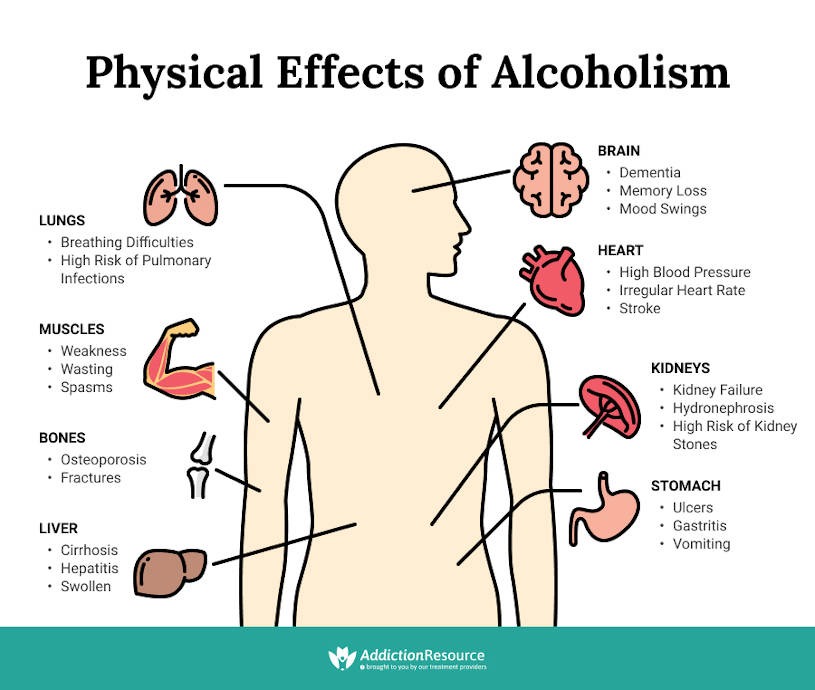
What can too much alcohol do to the body?
Immune System – this is what fights off germs, viruses and other illness in your body. Alcohol slows the immune system, making bacteria-fighting white blood cells sluggish and much less efficient.
Heavy drinkers may be more likely to succumb to illnesses such as tuberculosis or pneumonia, and increased risk of numerous forms of cancer.
Skeletal System – Alcohol abuse inhibits new bone production, putting one at risk of osteoporosis and bone fractures.
It also makes muscles more likely to weaken, cramp or atrophy.
Reproductive System – One common side effect of alcohol abuse in men is erectile dysfunction. Hormone production also may be inhibited causing infertility.
In women, alcohol may cause a ceasing of menstruation and infertility. It also heightens the risk of breast cancer.
Circulatory System – Just one occasion of heavy drinking may cause trouble for your heart, therefore a heavy drinker is much more likely to have heart problems than a non-drinker.
The risk is even higher for females. Heart problems may include poisoning of the heart muscle cells, an irregular heartbeat, high blood pressure, stroke or heart attack.
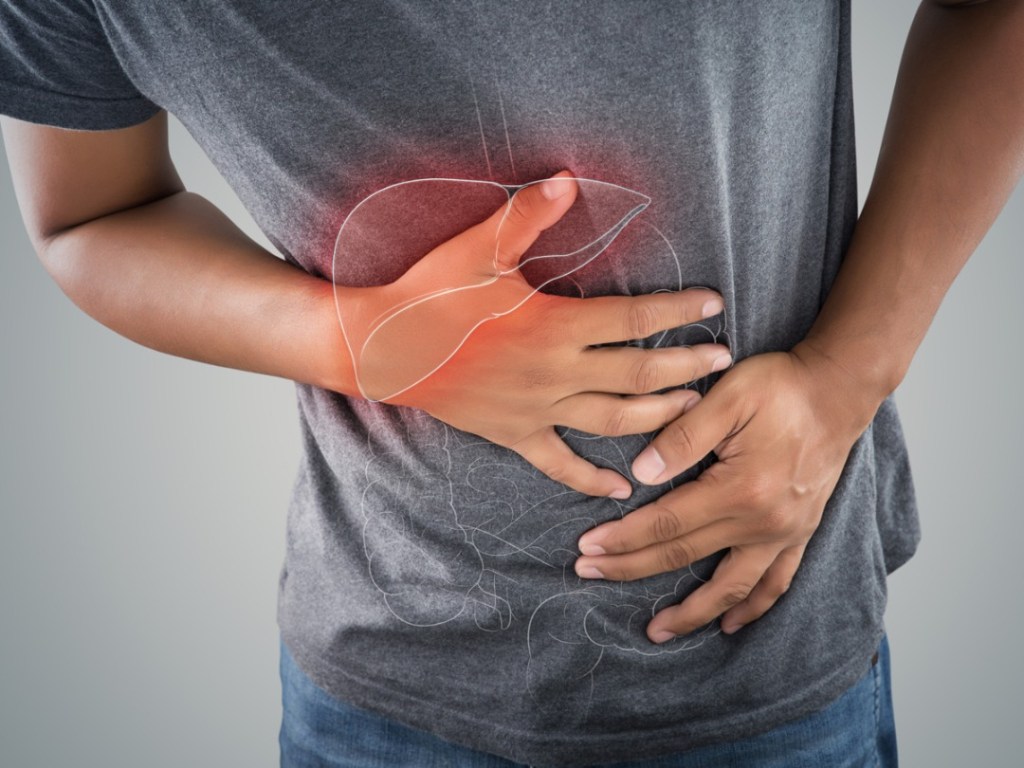
Digestive System – This is where serious damage can quickly occur. Alcohol makes it difficult for our intestines to control bacteria and absorb nutrients that can lead to malnutrition. Alcohol is also known to cause:However, too much alcohol in a short period of time can overwhelm the metabolism process and lead to fatty liver. Fatty liver is a chronic condition that involves the buildup of bad fats in the liver. Obesity is one of the biggest factors of fatty liver. It can also cause liver failure and type 2 diabetes.
What’s The Way Forward?
The effects of alcohol on your health will depend on how much you drink. The more you drink, the greater the health risks. Most people who have alcohol-related health problems aren’t alcoholics. They’re simply people who have regularly drunk more than the recommended levels for some years.
Reducing your alcohol intake is important to help lower your blood pressure and protect your kidneys. Regularly drinking above recommended levels can cause serious health problems such as:
high blood pressure
heart attacks
increased risk of various cancers
liver problems
reduced fertility.
In the short, cutting down on alcohol has all kinds of benefits like lower blood sugar, weight loss and fewer associated negative consequences like a headache or heartburn. One study has shown other benefits including lower blood pressure and reduced cholesterol.
People who are dependent on alcohol, or have other medical or mental health problems, should stop drinking completely.
But many people may benefit simply by cutting back. If your doctor suggests that you curb your drinking, the National Institute on Alcohol Abuse and Alcoholism (NIAAA) suggests that the following steps may be helpful:

Put it in writing: Making a list of the reasons to curtail your drinking such as feeling healthier, sleeping better, or improving your relationships can motivate you.
Set a drinking goal: Set a limit on how much you will drink. You should keep your drinking below the recommended guidelines: no more than one standard drink per day for women and for men ages 65 and older, and no more than two standard drinks per day for men under 65. These limits may be too high for people who have certain medical conditions or for some older adults. Your doctor can help you determine what’s right for you.
Choose alcohol-free day:. Decide not to drink a day or two each week. You may want to abstain for a week or a month to see how you feel physically and emotionally without alcohol in your life. Taking a break from alcohol can be a good way to start drinking less.
Watch for peer pressure: Practice ways to say no politely. You do not have to drink just because others are, and you shouldn’t feel obligated to accept every drink you’re offered. Stay away from people who encourage you to drink.
Ask for support: Cutting down on your drinking may not always be easy. Let friends and family members know that you need their support. Your doctor, counselor, or therapist may also be able to offer help.
Guard against temptation:. Steer clear of people and places that make you want to drink. If you associate drinking with certain events, such as holidays or vacations, develop a plan for managing them in advance. Monitor your feelings. When you’re worried, lonely, or angry, you may be tempted to reach for a drink. Try to cultivate new, healthy ways to cope with stress.
What If You Can’t Cut Down?
If you find that you cannot cut down, you may have already developed an alcohol use disorder.You may need to try to quit drinking altogether or seek help to quit. You are what you consume!
Christopher Kwesi Appiah
BACS21688
REFERENCES:
Rockville, MD: National Institute on Alcohol Abuse and Alcoholism, 2000.
https://www.eurekalert.org/pub_releases/2018-08/ucl-sa082418.php


 wecarefoundation