
Alcohol consumption, particularly heavy drinking, is a significant risk factor for many health problems and as such, contributes significantly to the global disease burden. In fact, alcohol is a necessary underlying cause of over 30 conditions, as well as a contributing factor in many more.
Infectious diseases, cancer, diabetes, neuropsychiatric diseases (including alcohol use disorders), cardiovascular disease, liver and pancreas disease, and unintentional and intentional injury are the most common disease categories caused entirely or partially by alcohol consumption.
In addition to the disease risks that affect the drinker, alcohol consumption can harm the health of others and cause social harm to both the drinker and others. These findings highlight the importance of developing effective prevention efforts to reduce the pain and suffering caused by excessive drinking, as well as the associated costs.
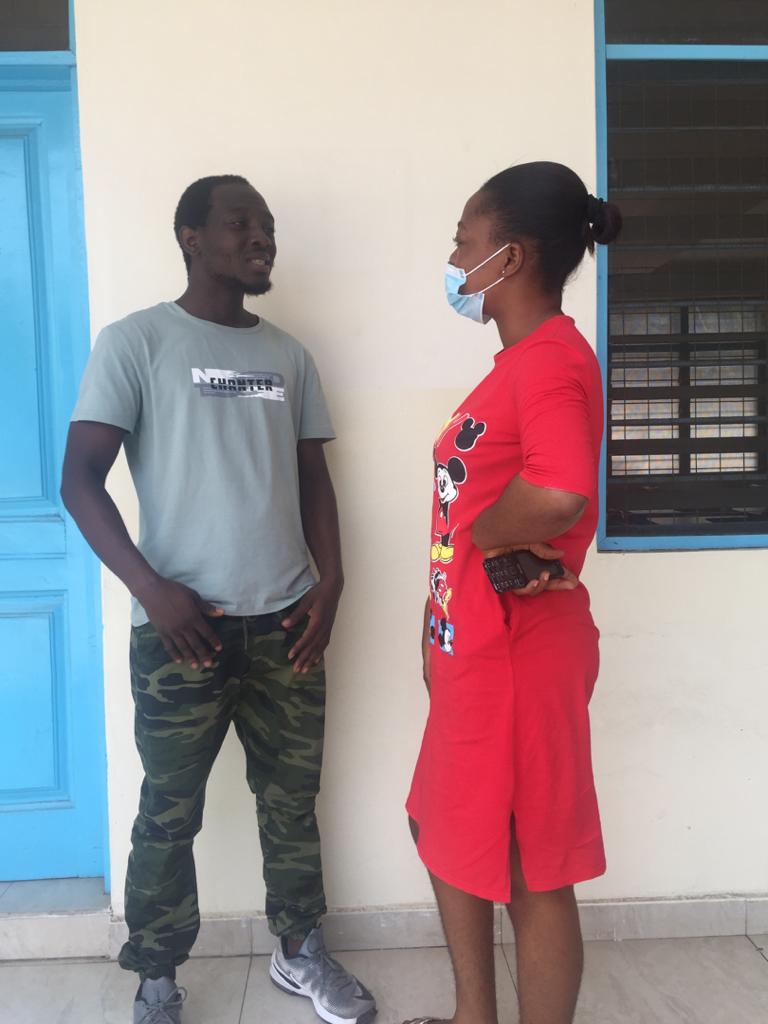
In an interview with some students of Ghana Institute of Journalism, they spoke of the reasons why the consumed alcohol.
John, a student drinker revealed that he drunk because he didn’t want to feel odd among his friends, although he experiences headaches and does not become responsible during those moment; he believe fitting in is much better than not consuming alcohol at all. Others also, spoke of not being able to attend classes the next day after drinking since they do not feel better enough to participate in class activities.
Recent news in most of our social media platforms are of people soliciting for funds as a result of liver diseases, which is a common disease associated with drinking alcohol. Although there has been the increase in alcohol related effects on our health people still consume it.
Alcohol use has been identified as a significant risk factor for illness, disability, and death (Rehm et al. 2009b).
According to the World Health Organization’s (WHO) most recent comparative risk assessment, on the negative impact of alcohol consumption on the global burden of disease and injury was exceeded not only by unsafe sex and childhood underweight status, but also by tobacco use. It outperformed many traditional risk factors such as unsafe water and sanitation, hypertension, high cholesterol, and tobacco use (WHO 2009).Alcohol consumption comes at a high price for the drinker, those around him or her, and society as a whole. These costs are the result of increased health risks (both physical and mental) associated with alcohol consumption, as well as the social harms caused by alcohol.

To lessen the impact of alcohol on disease burden as well as other social, legal, and financial costs, it is therefore critical to develop effective interventions that can prevent or postpone the initiation of drinking among those who do not drink, particularly adolescents, and limit consumption to low-risk drinking levels among those who do drink. This will be done through an alcohol counter advertising by showing individual what it actually means to drink as it may go a long way to help them minimize their intake of alcohol if not stopping completely.
SALAMATU NASSAM-BACS21548


 wecarefoundation